
How to Scope a Mobile App MVP for a Real Operational Need
Plan a mobile app MVP around the main user task, platform approach, accounts, device features, backend data, testing, and release ownership.
 Sun Cluster Inc.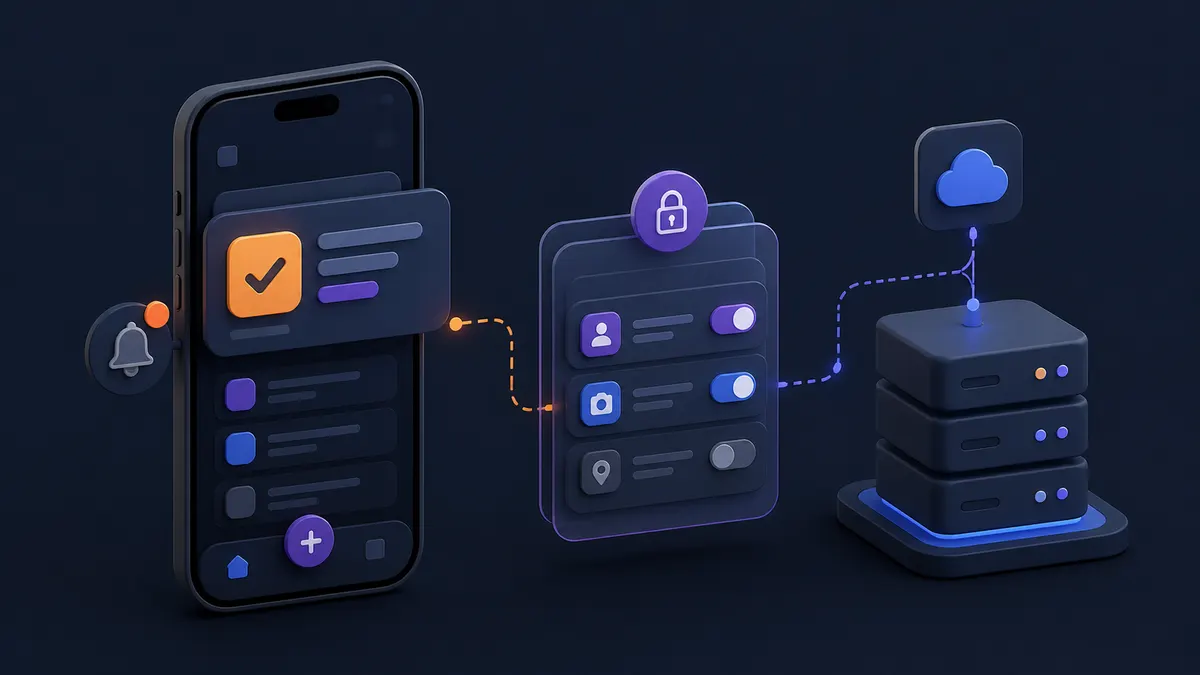
A mobile app concept becomes buildable when the team defines the first operational outcome, the users responsible for it, and the data or device features required to complete it.
Define the main user and task
Write one sentence describing who opens the app, when, and what they need to accomplish. Use that task to decide what belongs in the first release.
Choose the platform approach
Confirm whether the first version needs iOS, Android, both, or a web-first approach. The answer should follow users and required device behaviour rather than assumptions about reach.
Map accounts and permissions
Document sign-in, organization relationships, sensitive data, staff roles, and what happens when a device is lost or a person leaves the organization.
Limit device features to what the workflow needs
Camera, location, notifications, scanning, and offline storage can be valuable, but each introduces testing and privacy considerations. Include only the features that complete the first job.
Specify backend data and failure states
Identify the source systems, required APIs, sync expectations, and how the app behaves without connectivity. Users need a clear, recoverable message when a request cannot be completed.
Plan device testing and release ownership
Agree on supported devices, test scenarios, release access, monitoring, support, and documentation. A launch plan protects the value of a focused first release.
Assign release and support responsibility early
A mobile MVP is not complete when the interface works on a developer device. The team needs a plan for supported devices, test accounts, build access, release ownership, store materials where applicable, and the route for reporting issues after launch.
Define a small test pack around the primary user journey and its likely failure states, such as a lost connection, expired session, missing permission, or rejected request. This makes a focused release easier to review and operate.
- Supported devices and operating systems
- Test accounts and release access
- Primary journey and failure scenarios
- Post-release contact and update owner
Common questions
Should payments or maps be included in an MVP?
Include them only when they are necessary for the first user outcome. Each additional device service or third-party integration increases the scope for testing and operational ownership.
Who owns an app-store account?
The business should normally retain ownership of its relevant distribution accounts and approve access for release work.
Discuss your software project
Have a defined workflow, integration, or delivery question? Tell us about the technical constraints and the outcome your team needs to support.
Contact Sun Cluster