
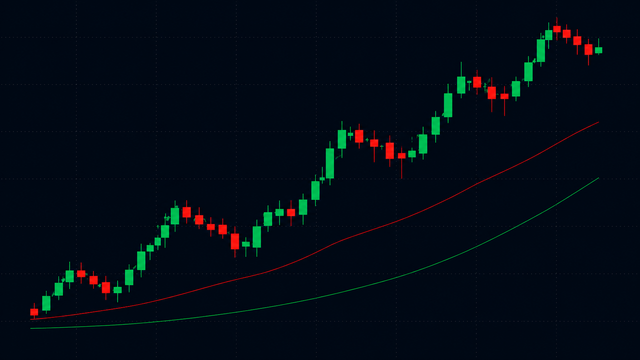
Custom Trading Bot Cost in Canada: Scope, Pricing Factors and Process
Custom trading bot cost depends less on market buzzwords and more on workflow scope, integration depth, and how much operational tooling the project needs.
Practical engineering guidance for trading systems, business software, integrations, customer platforms, and operational automation.
Custom trading bot cost depends less on market buzzwords and more on workflow scope, integration depth, and how much operational tooling the project needs.
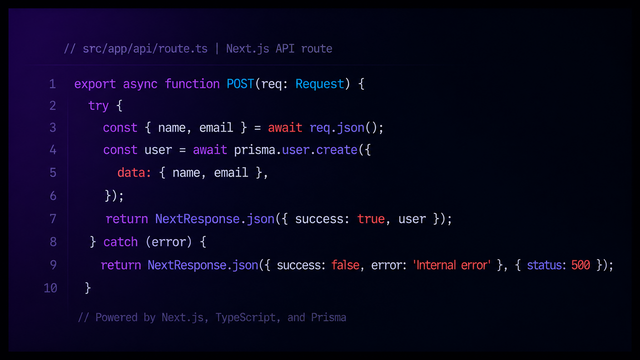
The first mistake in custom trading bot development is treating the project like code only. The second is ignoring how the software will actually be operated after launch.

A trading bot is usually one automation layer. A trading platform is the broader environment around it, including controls, visibility, and user workflows.

Broker integration work is not only about sending orders. It is about building a reliable software boundary between your workflow and the broker environment.

The risk in automated trading is not only the strategy. It is also the software path, the venue behavior, and what the operator can or cannot see when something goes wrong.
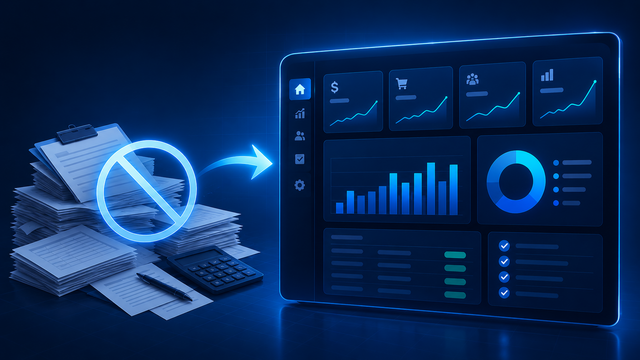
Small businesses do not need flashy analytics first. They need a dependable place to see work status, exceptions, and the next action without rebuilding the report each week.

Ontario custom software projects vary widely, but the pattern is consistent: the best projects clarify workflow and scope before they commit to implementation.
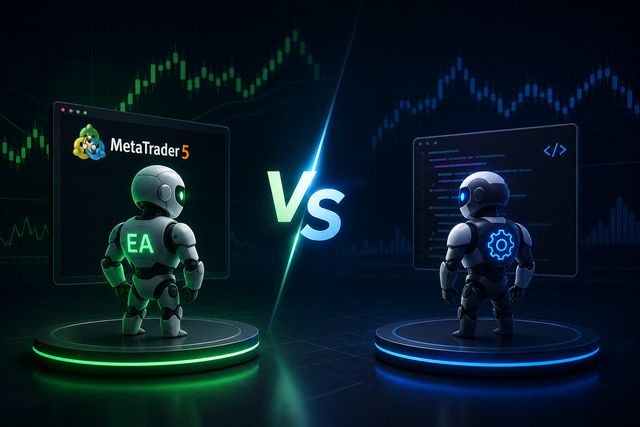
An MT5 Expert Advisor can be the right answer when the scope is narrow. A custom trading bot becomes the better route when the workflow extends beyond that boundary.
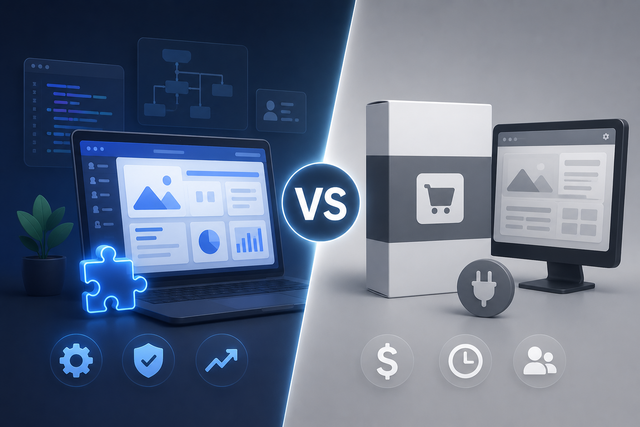
Off-the-shelf software looks cheaper until the workflow breaks around it. Custom web app development makes sense when the business cost of poor fit becomes higher than the build itself.
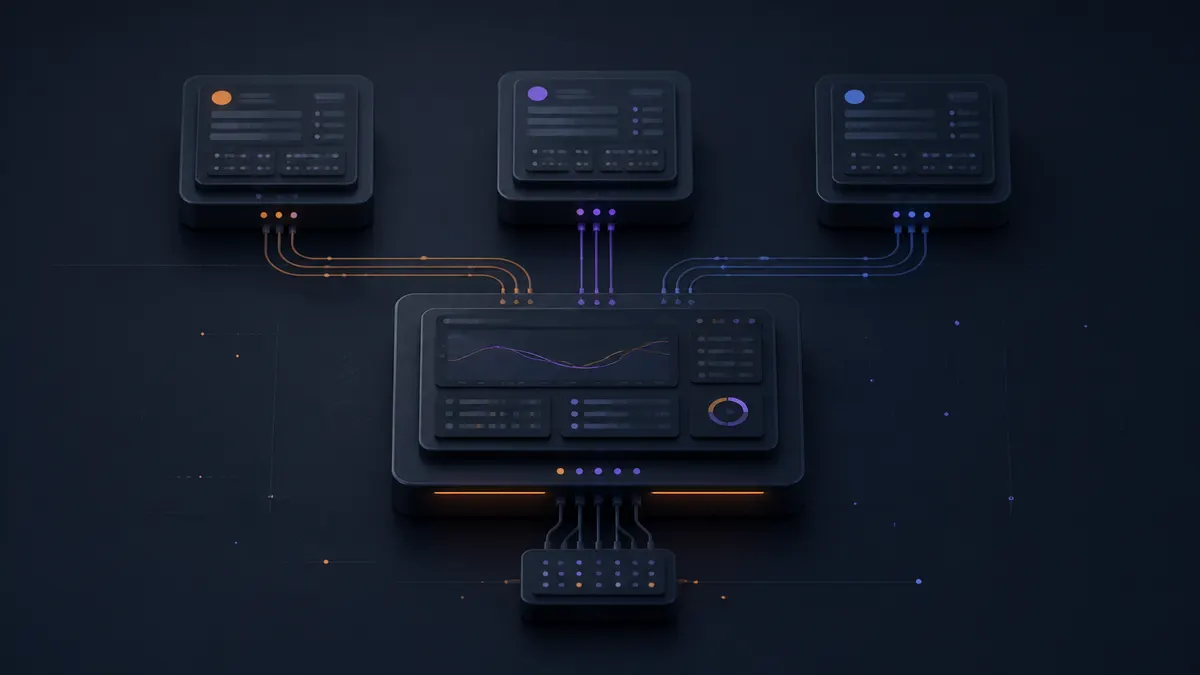
Adding a second exchange is not a copy-and-paste exercise. Each venue brings its own authentication, symbols, order behaviour, and operational constraints.
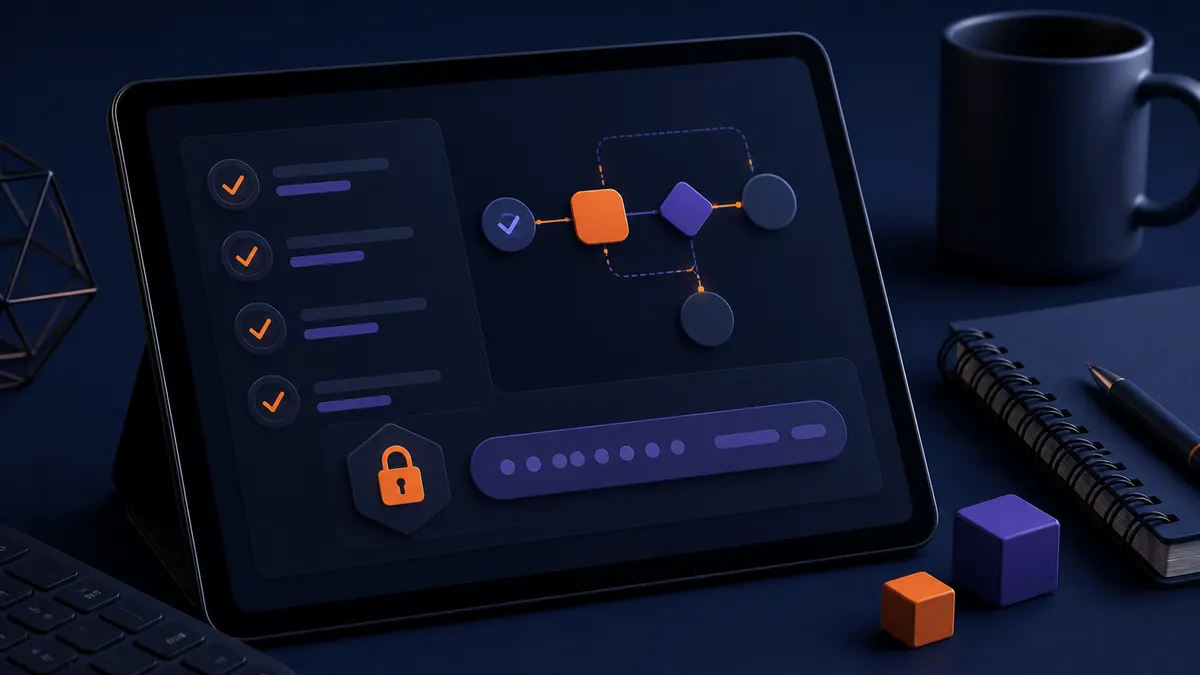
The clearest projects begin with a documented workflow, not an informal description of a strategy.
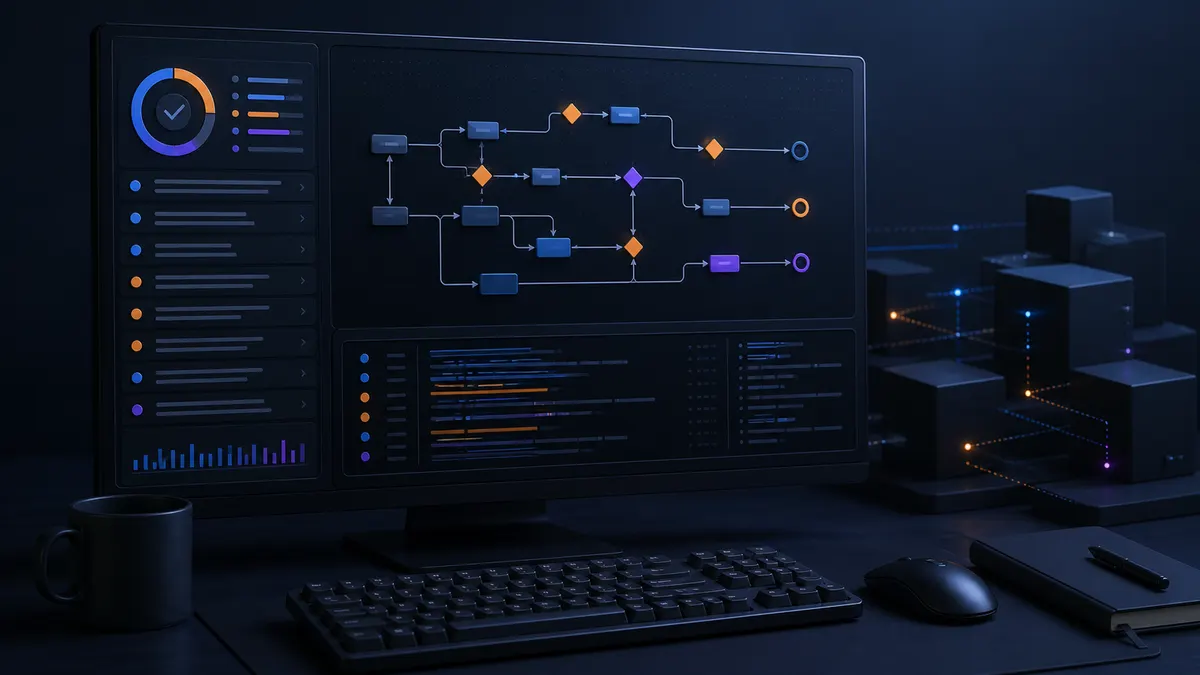
Demo verification checks whether an EA behaves as specified in the intended environment; it does not validate a strategy's future returns.
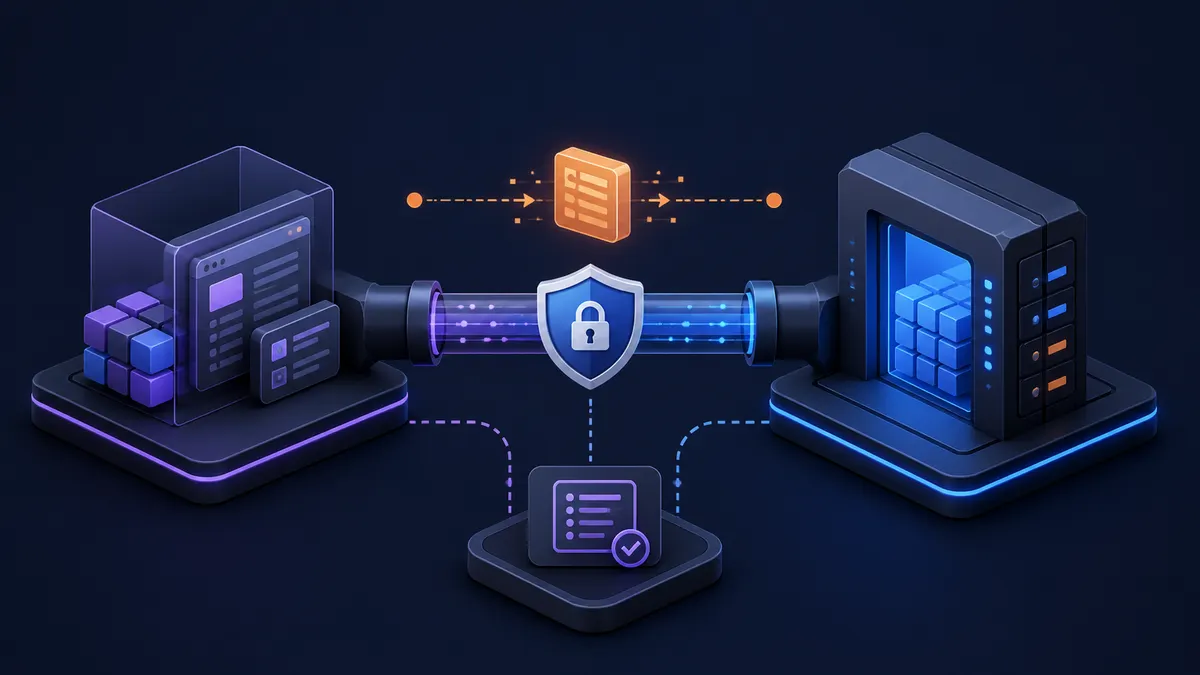
A broker API integration is easier to scope when access, state behaviour, and operational ownership are known before development begins.
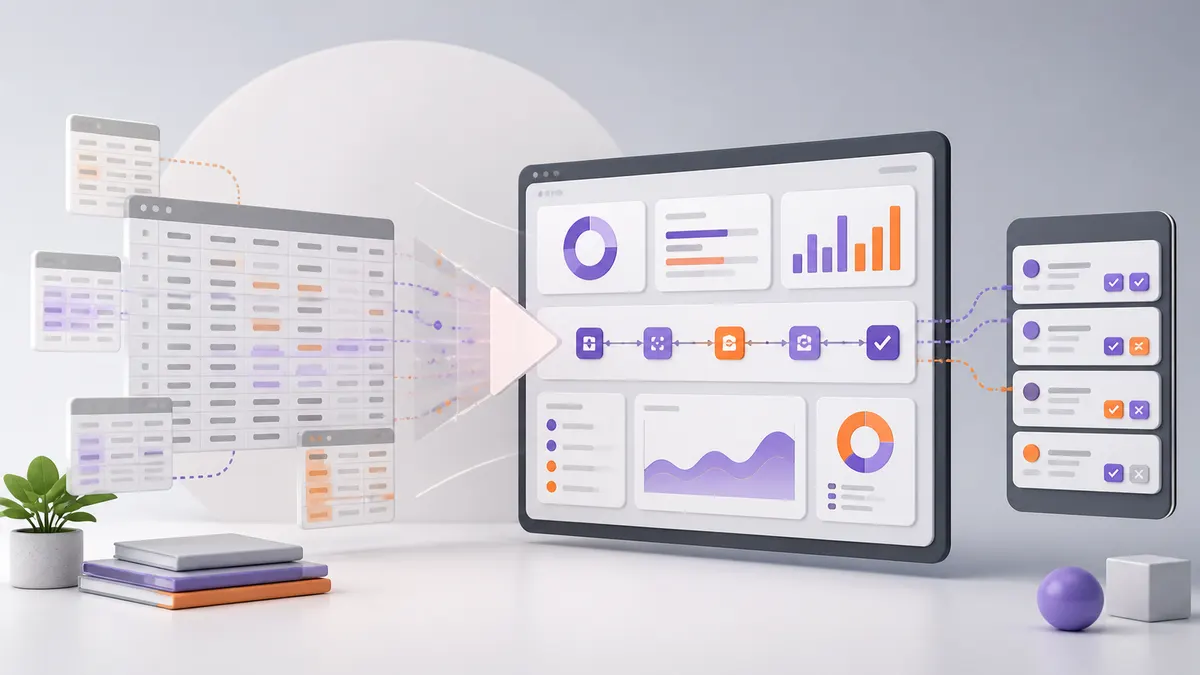
Custom software is not automatically better. It becomes worth evaluating when workarounds begin to define the way a team operates.
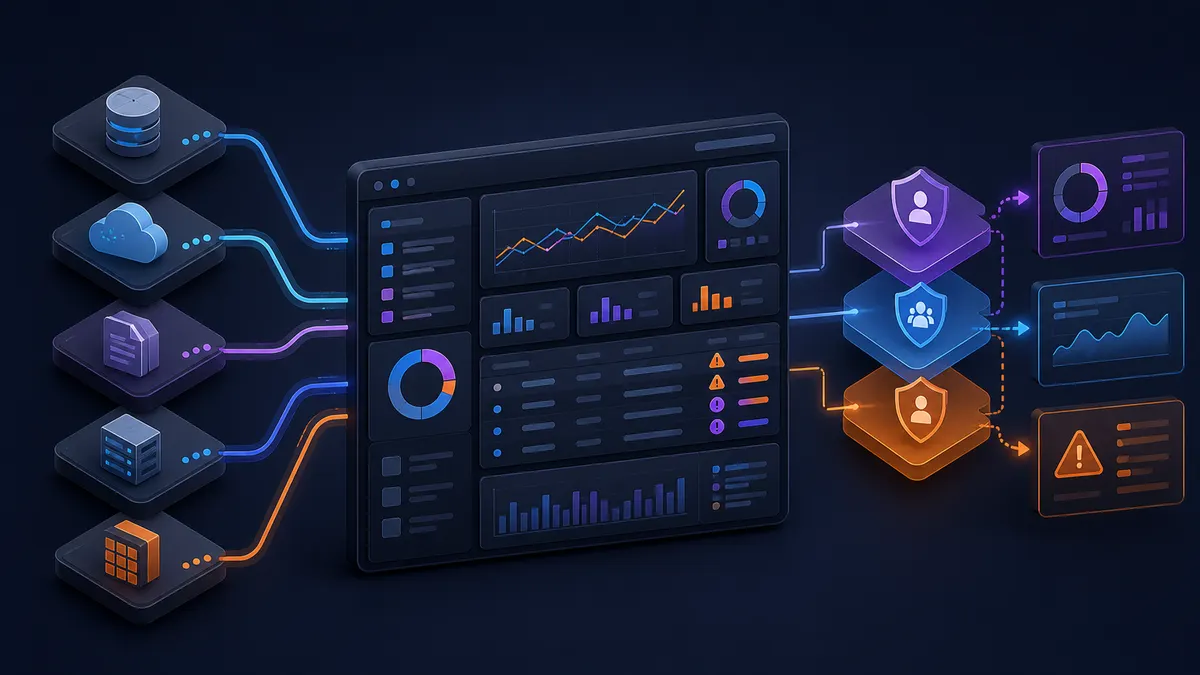
The useful dashboard question is not 'what charts do we want?' but 'what decision should be easier to make?'.
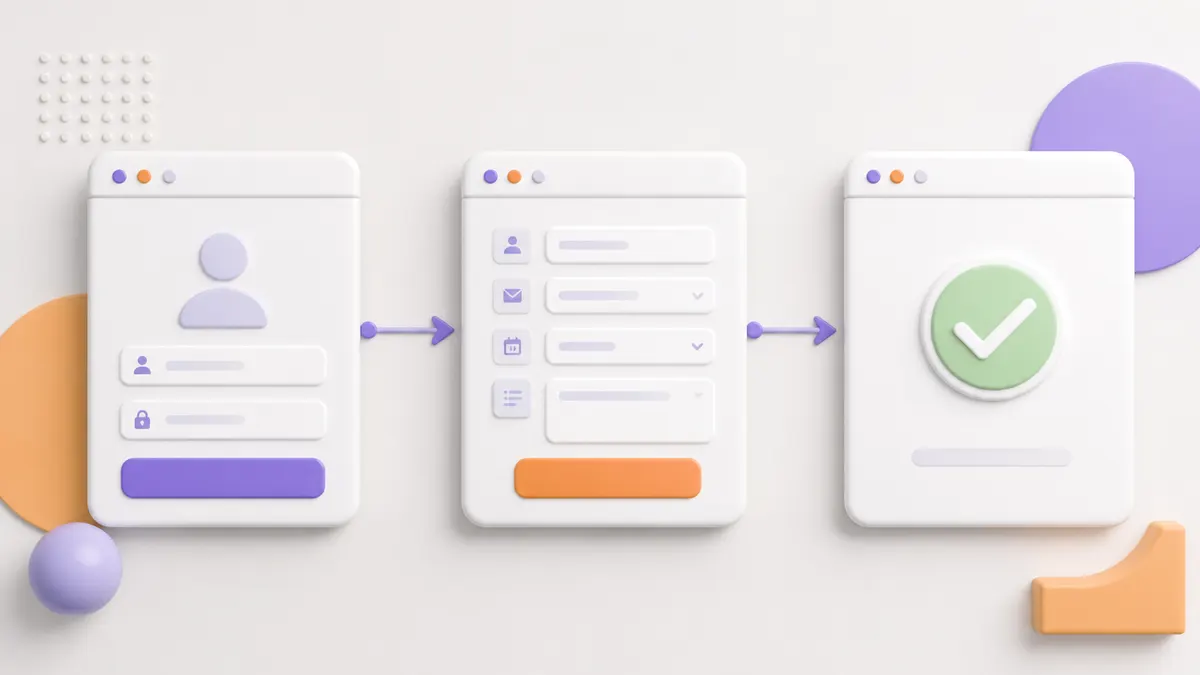
A useful MVP is the smallest complete workflow that a real user can finish, not a shortened list of every feature idea.

A visual refresh is not always a redesign. The better choice depends on whether the site's structure and technical foundation still support customer decisions.

A service website should help a prospective client understand the work, assess fit, and take a clear next step.
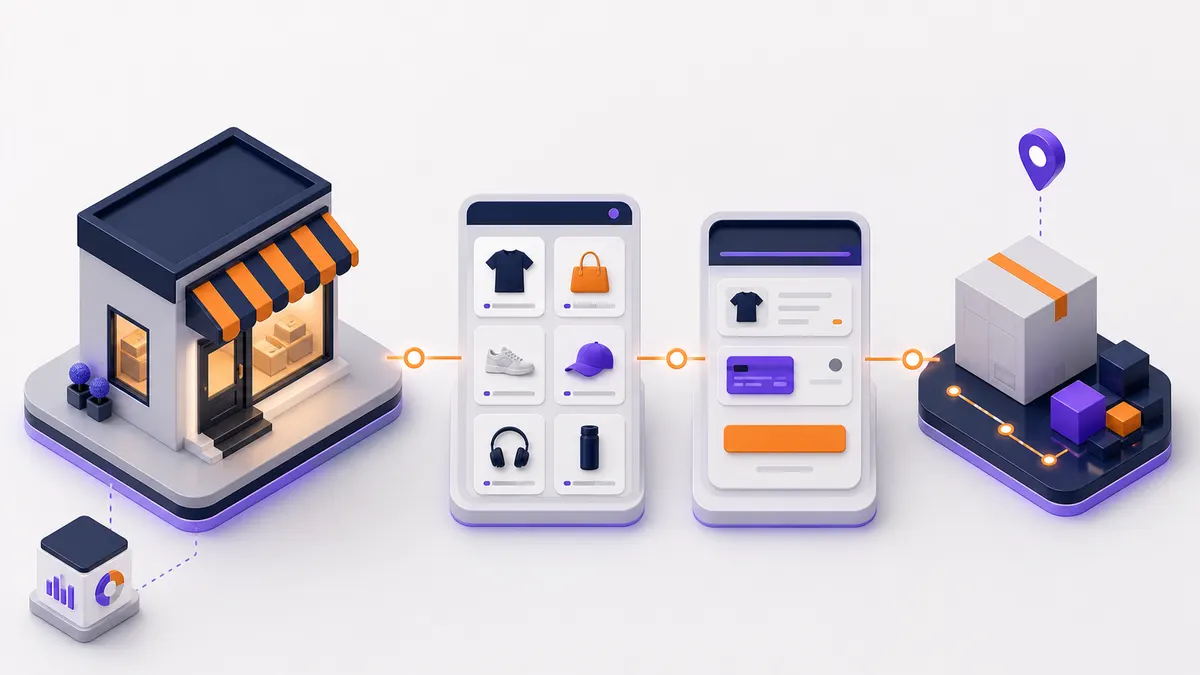
An established platform is often the right starting point; custom work earns its place when the operating model cannot be supported cleanly around it.
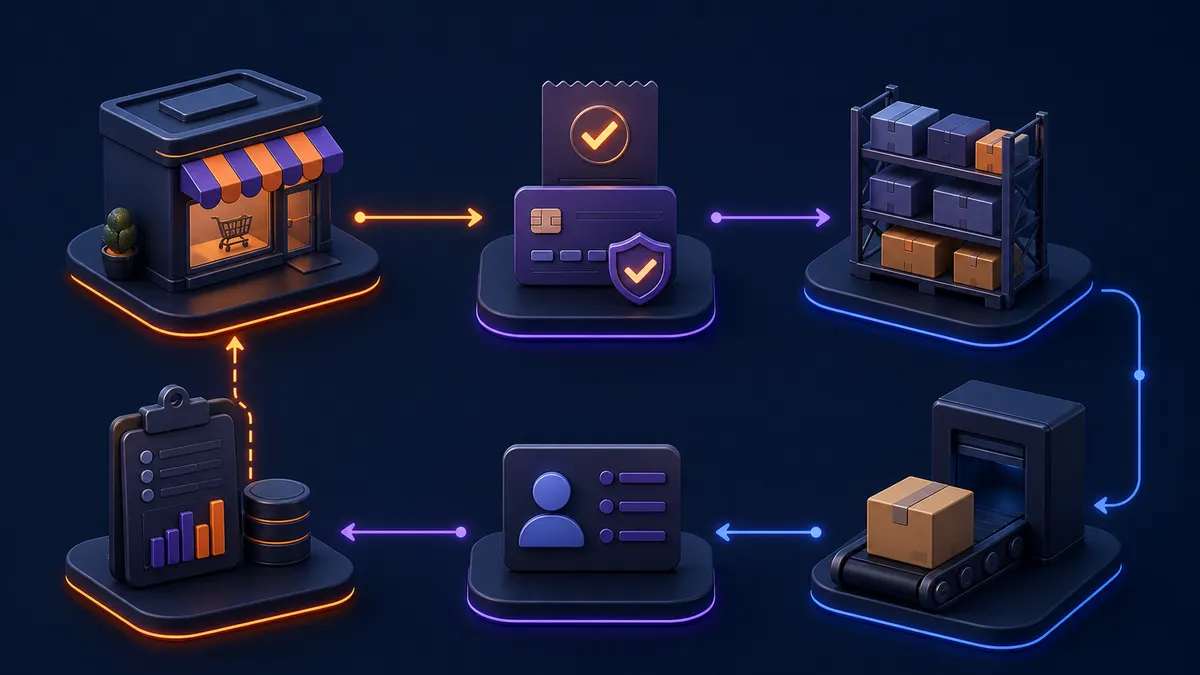
An e-commerce integration should describe how information moves after a customer clicks buy—not only whether two tools can connect.
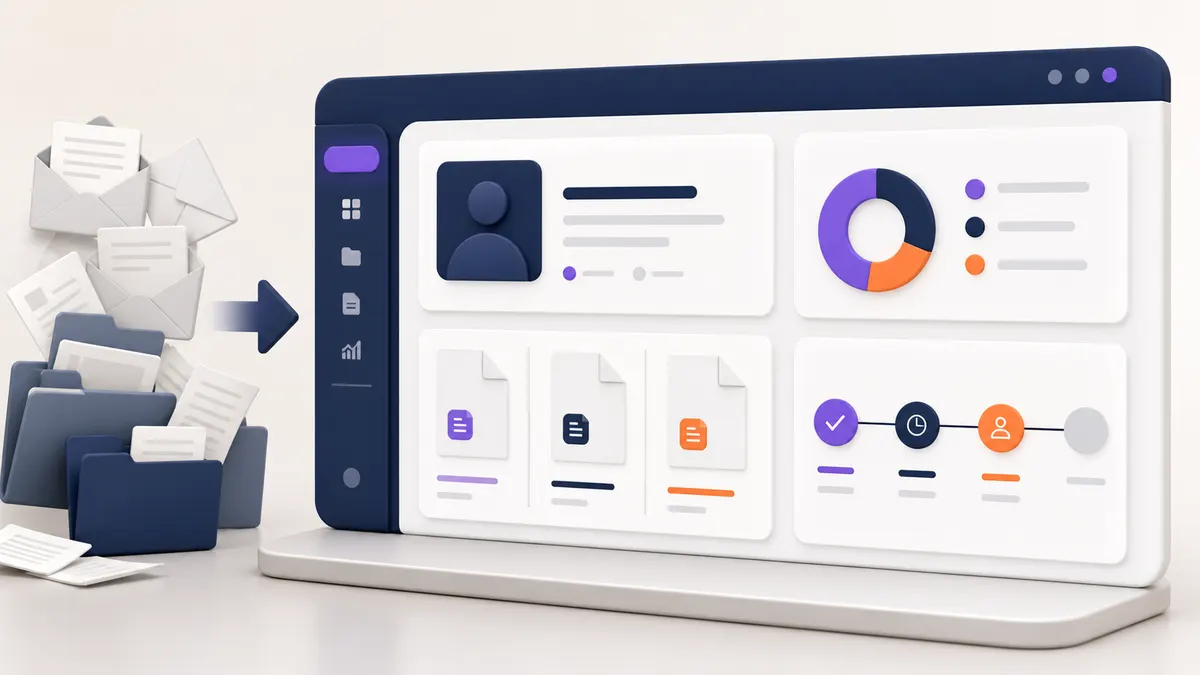
A portal is useful when recurring customer interactions have enough structure that visibility, access control, and a shared history matter.
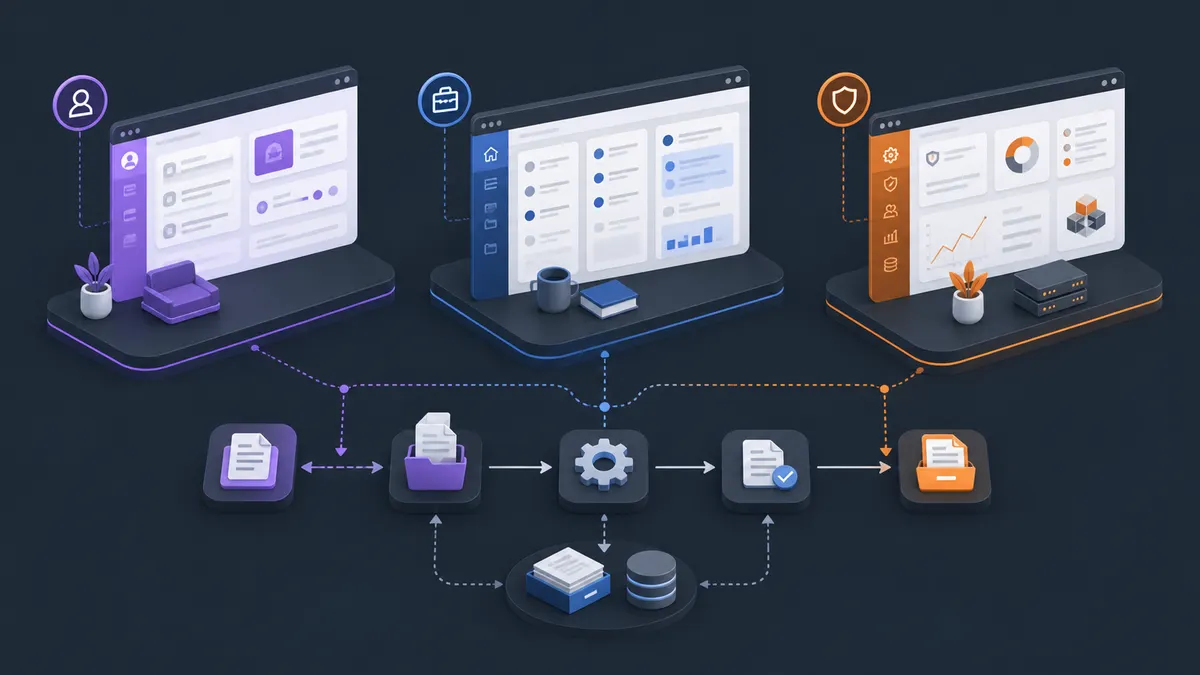
A portal is easier to build and adopt when the customer jobs, account rules, and source systems are defined before screen design begins.

The right platform follows the job people need to do, where they do it, and what device capabilities the workflow actually requires.
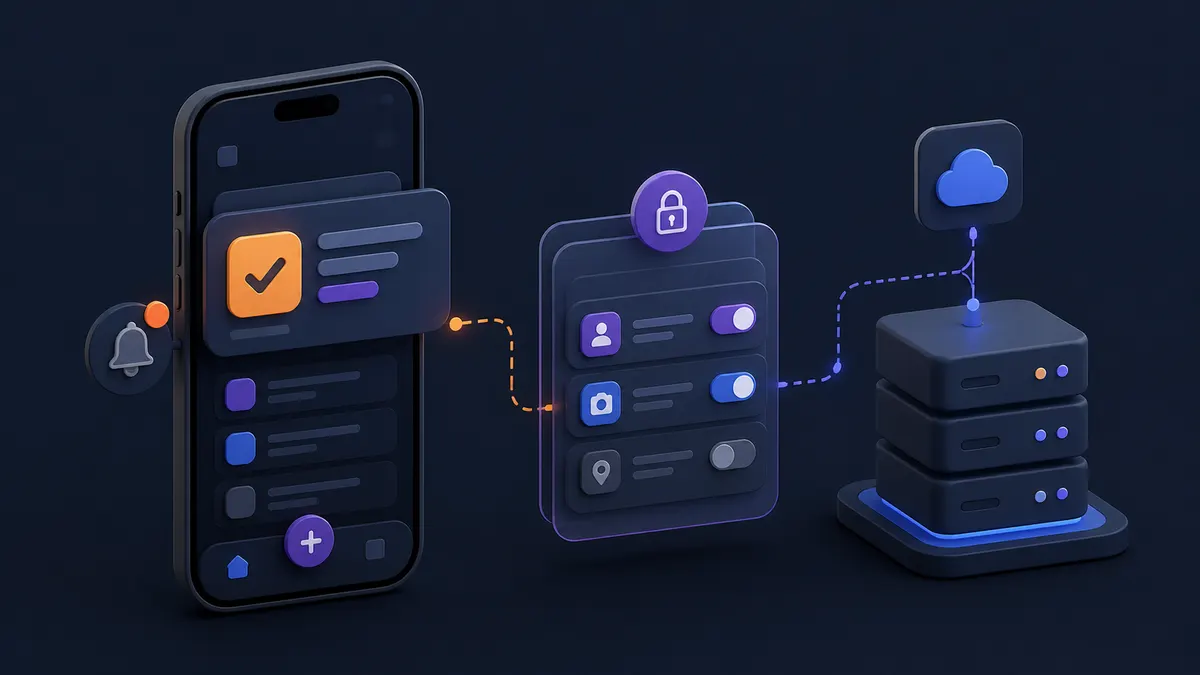
A mobile MVP should make one important task easier in its actual context, with the security and backend behaviour needed to support it.
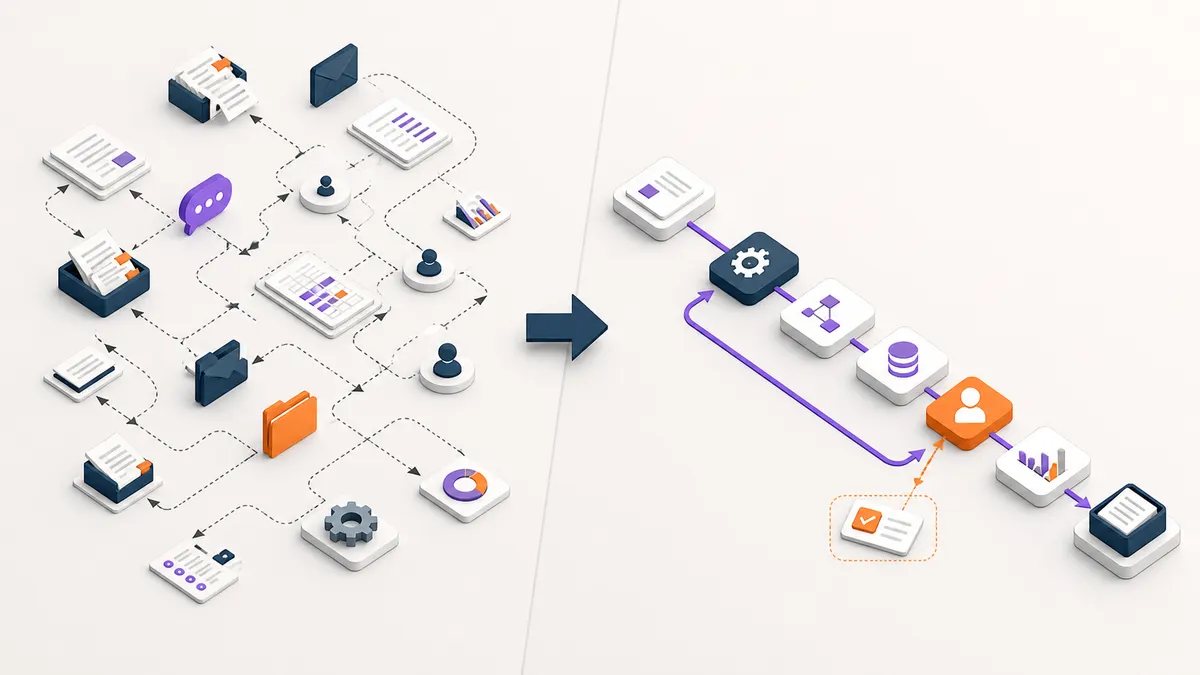
The best first automation target is rarely the most complicated process. It is usually a repeatable one with a clear owner and visible friction.
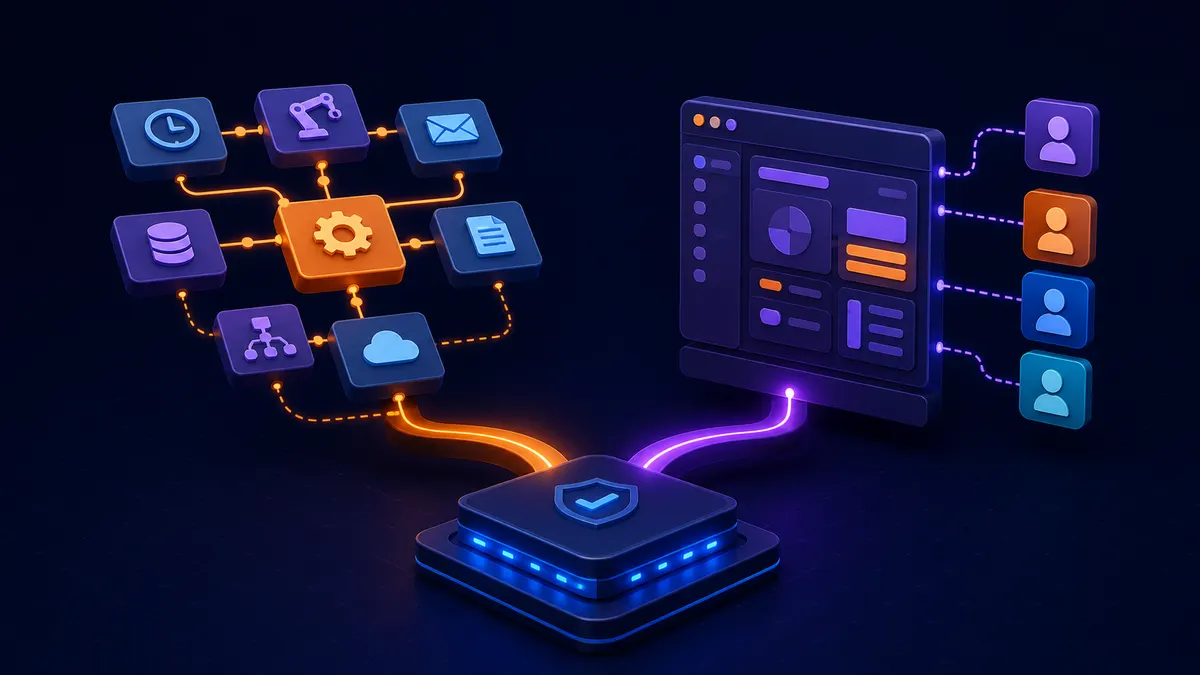
Automation can improve a contained process; a dedicated application becomes more useful when people need a shared system of record, roles, and an operating interface.
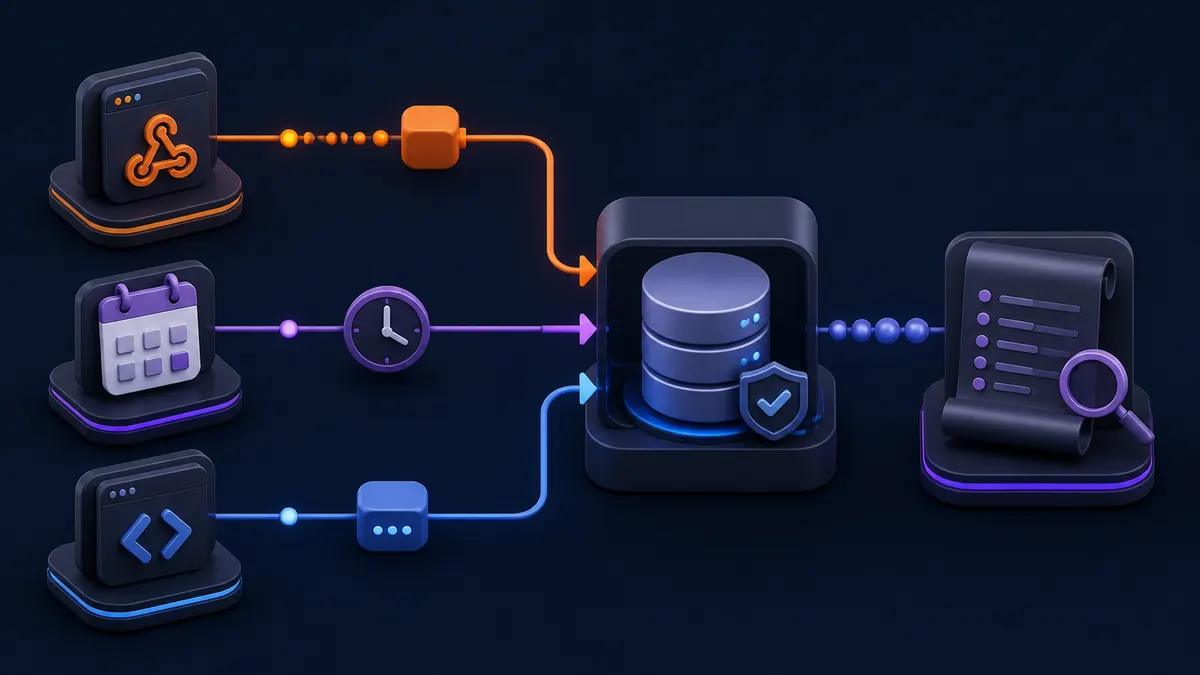
The most advanced integration pattern is not always the most reliable one. Choose the simplest pattern that meets the actual timing and recovery needs.
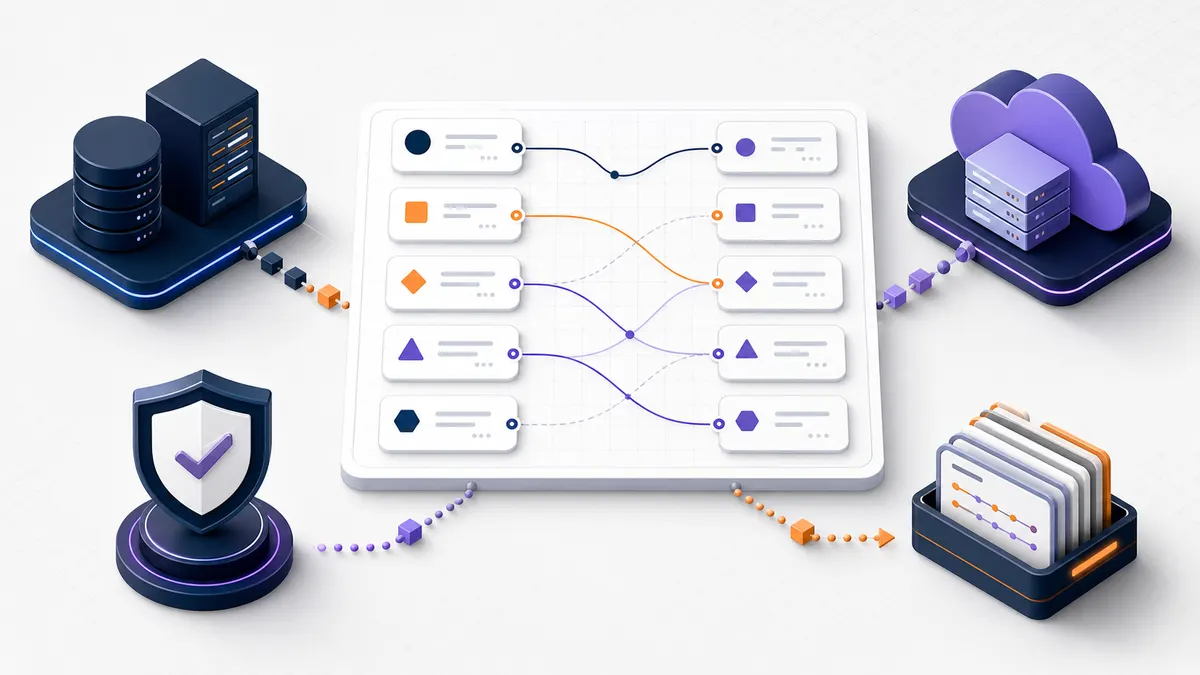
An integration estimate is more reliable when the systems, data contract, triggers, and failure behaviour are defined before implementation starts.
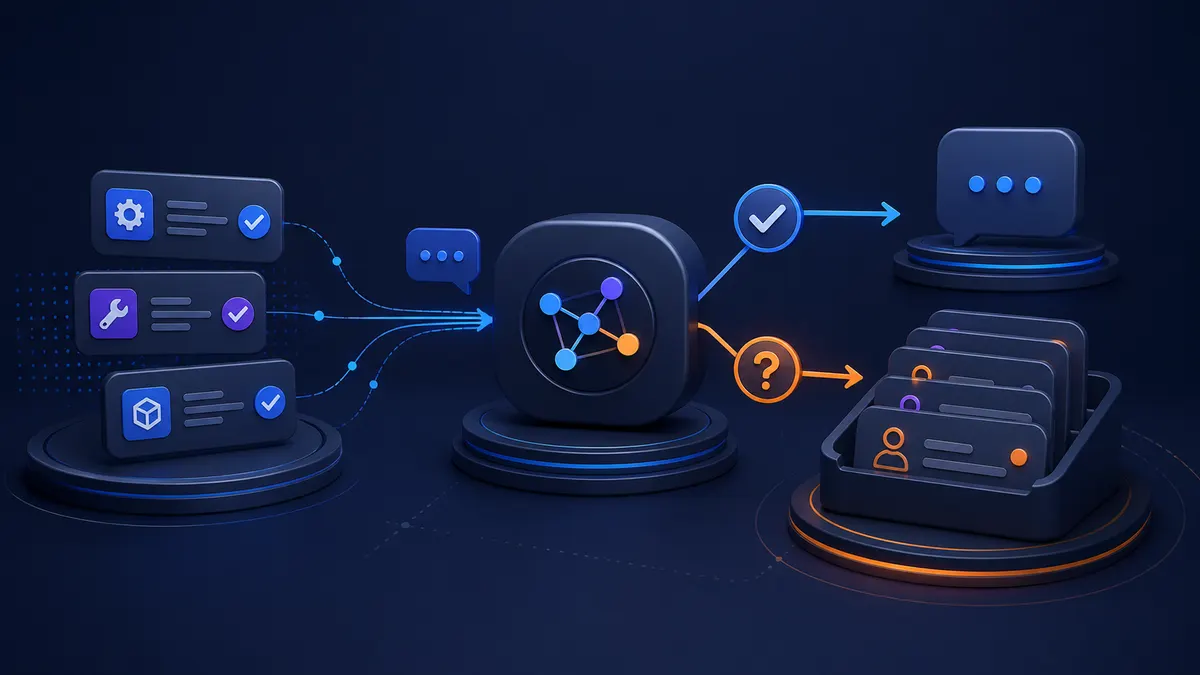
Support automation works best when it handles bounded, repeatable questions and makes uncertainty easy to hand to a person.
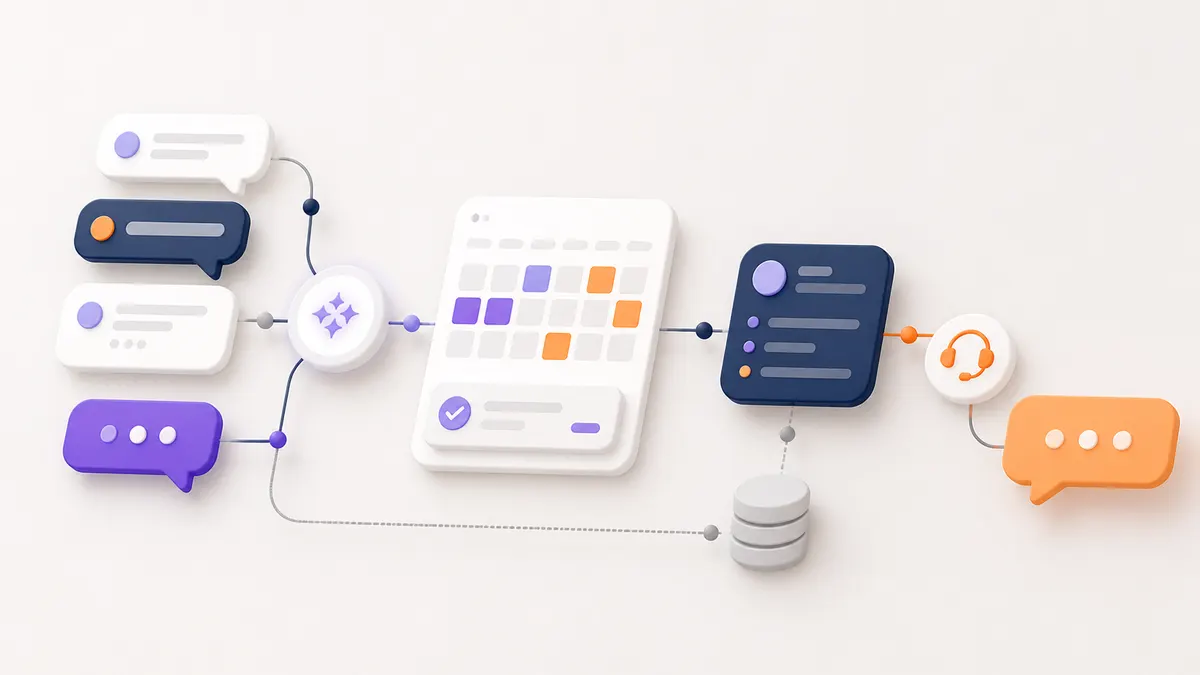
The useful question is not whether to add AI, but which customer interaction can be made clearer and more reliable with controlled automation.